
Melasma and Hyperpigmentation Treatment
Melasma is stubborn, it comes back, and it does not respond to the same aggressive treatments that work on other pigment. We build a patient plan around peels, daily skin care and sun protection.
What Is Melasma
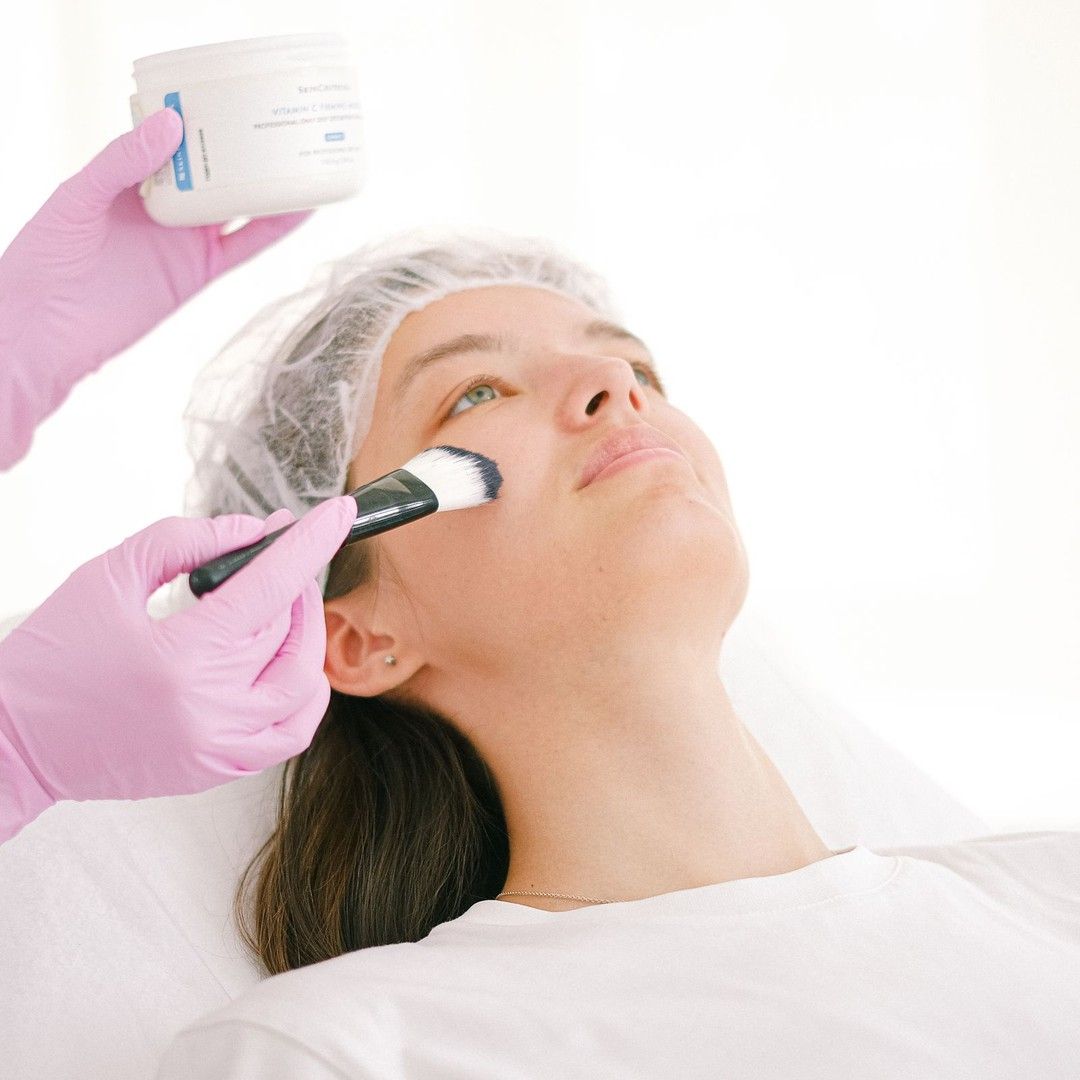
Melasma shows up as symmetrical patches of brown or grey-brown discoloration, usually across the cheeks, the forehead, the bridge of the nose and the upper lip. It is caused by pigment producing cells called melanocytes going into overdrive, and it is driven by a combination of hormones, sun exposure, heat and genetics.
It is worth separating melasma from other dark spots, because they are not the same problem and they do not respond to the same approach. Sun spots and post-inflammatory marks left behind by acne are usually local and usually respond well to resurfacing. Melasma is systemic. It involves hormones, it is provoked by heat as well as light, and treating it too aggressively can make it worse rather than better.
We want to be straight with you from the start: melasma is managed, not cured. The goal is to lighten the patches meaningfully, keep them calm, and give you a routine that holds the result. Anyone who promises you a permanent fix in one visit is not telling you the truth.
4 Things That Make Melasma Worse
Sun exposure
Ultraviolet light is the single biggest trigger. Even brief daily exposure, the walk to the car or the drive to work, adds up and undoes progress. This is why sunscreen is not an afterthought in your plan, it is the plan.
Hormones
Pregnancy, birth control and hormone therapy can all set melasma off or make existing patches darker. If your melasma started during pregnancy or after a medication change, that history matters and we will ask about it.
Heat
Melasma responds to heat as well as light. Hot yoga, saunas, steamy kitchens and aggressive heat based treatments can all flare it. This is part of why we are cautious with certain devices on melasma skin.
Treating it too aggressively
Melasma skin is reactive. Push it too hard and the inflammation itself triggers more pigment. A conservative, consistent plan beats an aggressive one almost every time.
What A Melasma Plan Helps With
Lighter patches
More even skin tone
Fewer flares
Calmer, less reactive skin
Better texture
A routine you can keep
Protection against return
Realistic expectations
How We Approach Your Melasma
We look closely and take a history
We examine the pattern and the depth of the pigment and ask about pregnancy, birth control, hormone therapy, sun habits and what you have already tried. Melasma that sits deeper in the skin behaves differently from melasma near the surface.
We get sun protection right first
Broad spectrum SPF 30 or higher, every single day, reapplied. Tinted mineral sunscreen with iron oxide is usually our preference for melasma because it also blocks visible light. Nothing else we do will hold without this step.
We build your daily routine
Topical agents that slow pigment production are the backbone of melasma care. We select what is appropriate for your skin and we sequence it so you are not irritating your face while you are trying to calm it down.
We add chemical peels carefully
Superficial peels, used at the right strength and the right interval, lift surface pigment and help the topicals work. We start conservative and build only if your skin tells us it can handle it.
We adjust rather than escalate
If a flare happens we pull back instead of pushing harder. That is the single biggest difference between a melasma plan that works and one that makes things worse.
We plan for maintenance
Once your tone evens out, the work shifts to holding it. Maintenance is lighter and less frequent, but it does not stop.
Even Tone, Managed Patiently
Personalized care in Prospect, Connecticut, from a provider who takes the time to listen.
Daily Skin Care And Sun Protection
Melasma is won and lost between appointments. What you do every morning matters more than what happens in our treatment room, and we would rather tell you that plainly than let you believe the peels are doing all the work.
We carry SkinBetter Science so you can get medical grade products that fit the plan instead of guessing in a drugstore aisle. Here is what we ask of you.
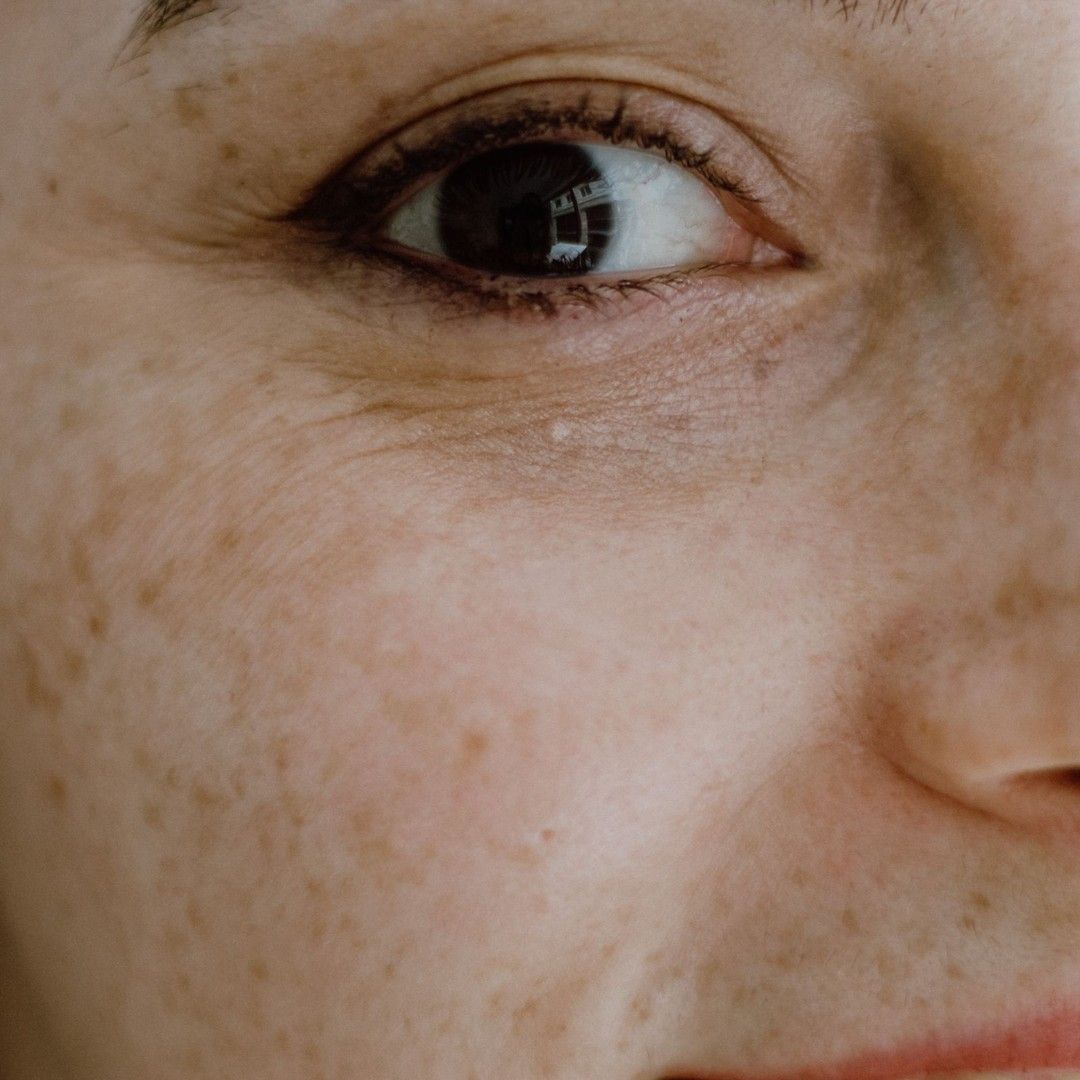
Treatments We Use Alongside
Frequently Asked Questions
Can melasma be cured?
Melasma is managed rather than cured. With a consistent plan we can lighten the patches significantly and keep them calm, but the tendency stays with you and maintenance matters.
How is melasma different from sun spots?
Sun spots are local and usually respond well to resurfacing. Melasma is symmetrical, driven by hormones as well as light, provoked by heat, and it flares if treated too aggressively.
Will my melasma come back?
It can, especially after sun exposure, a pregnancy or a hormone change. That is why daily sun protection and a maintenance routine are part of every plan we build.
Does a chemical peel help melasma?
Superficial peels at the right strength and interval can lift surface pigment and help your topicals work better. Deeper is not better here, and we start conservative on purpose.
How long until I see a difference?
Most people start to see a change over several weeks to a few months of consistent treatment and daily sun protection. Melasma does not respond quickly and we will not pretend otherwise.
Can I treat melasma while pregnant?
Several common melasma ingredients are not used in pregnancy. Tell us if you are pregnant or trying, and we will build a plan around what is safe, which often means sun protection and gentle care until after.
Is laser a good idea for melasma?
Heat based treatments can flare melasma, so we approach devices cautiously and are not quick to recommend them. We would rather get you a steady result with peels and topicals than chase a fast one and set you back.
Ready To Get Started?
Call us, or send a message and we will get back to you. We are at 49 Waterbury Rd, Suite B in Prospect, Connecticut.